Shipping over $50




It is the end of the day. The lunch box comes back out of the bag. The lid has dried shut over a smear of hummus, and the dishwasher is already half full.
Can the box just go in with everything else?
Yes.
Box, lid, seal and dividers all go in the dishwasher. No special cycle, no temperature to watch, no hand-washing the lid. That is the short answer.
The longer one is about the seal and the rust myth. And about two things a steel box simply does not do.

Can the whole lunch box go in the dishwasher?
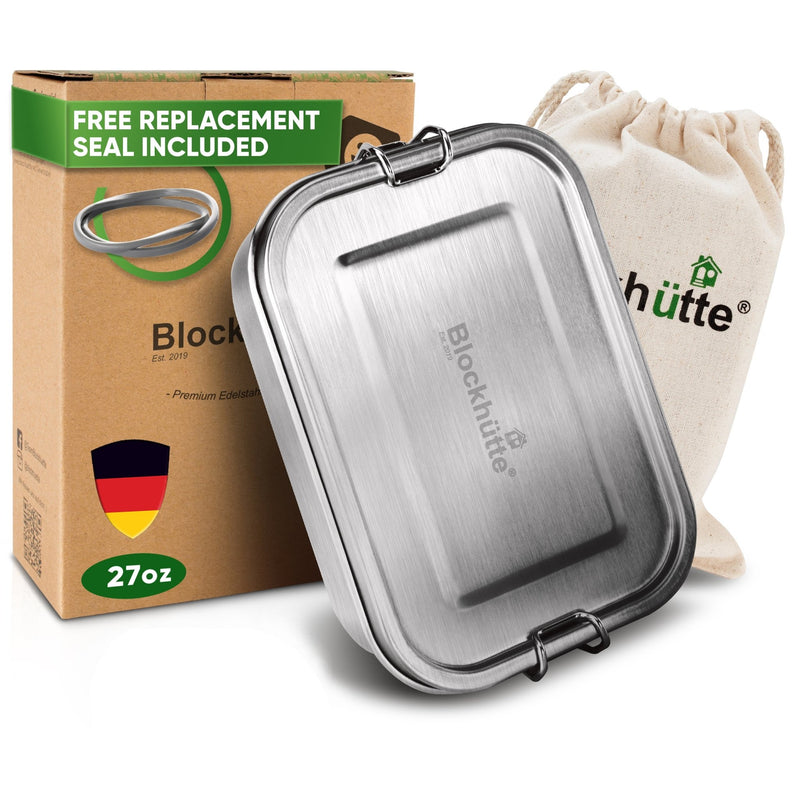
Every part of it. The box and the two dividers are 18/8 stainless steel, uncoated inside. The lid is the same steel, with no plastic parts. The seal is food-grade silicone. None of that minds hot water or detergent.
That is not a small thing if you have owned a plastic box. Plastic lids warp, cloud over and start to smell of last Tuesday. Steel does none of that.
It comes out of the machine the way it went in. And it keeps doing that for years.
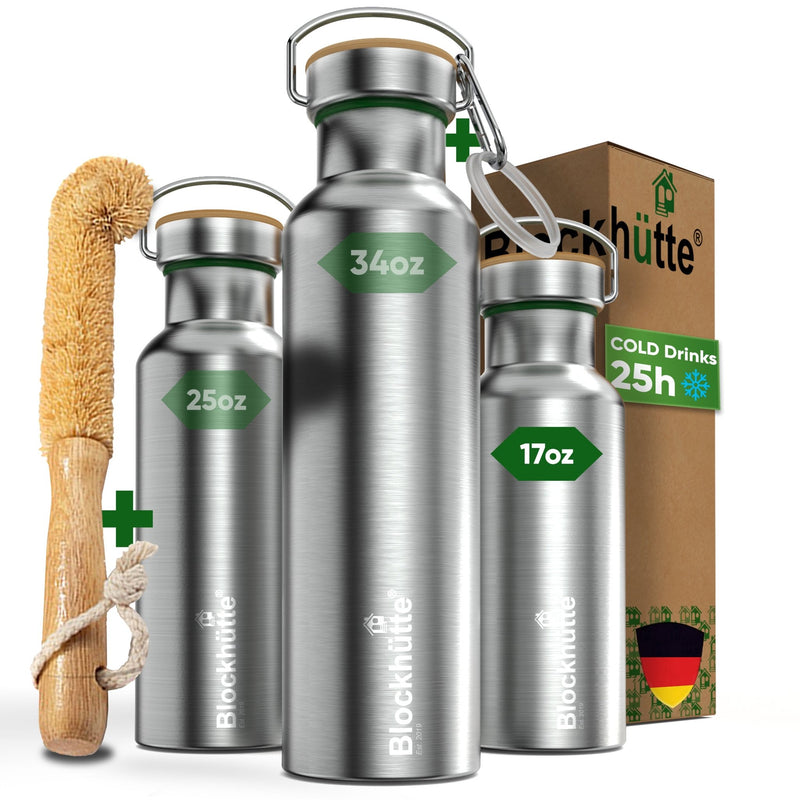
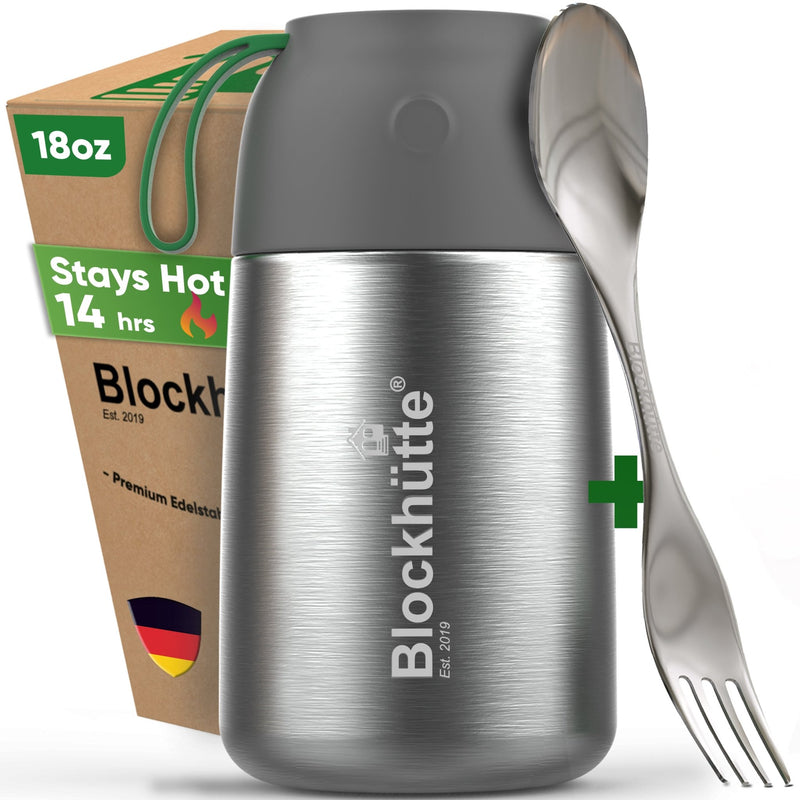
The same goes for the bottle and the food jar. Their routines: the water bottle and the insulated food jar.
What does the seal need?
A little air, now and then.
The seal sits in a groove under the lid. In the dishwasher it gets clean, but the groove behind it dries slowly.
So once a week, take the seal out, let both dry fully, and press it back in. It takes about as long as reading this sentence.
Why bother? Because a dry groove is what keeps the seal seated and the lid tight. And a seal that gets taken out and washed once a week lasts a lot longer.
What the seal does in the first place: what makes a lunch box leak-proof.

Will stainless steel rust in the dishwasher?
No. It is called stainless for a reason.
The body of the box is 18/8 stainless steel, the grade used for good cutlery and cookware. It does not rust from water, steam or detergent.
Run it through the machine every night for a school year. It comes out the same.
What you may see, very rarely, is a rust-colored speck on the steel after a wash. That speck did not grow there. It came off something else in the machine, a chipped pan or a bare spot on the rack.
Then it settled on the box. It sits on the surface, and a soft sponge with a drop of dish soap usually takes it off.
If a spot will not come off, send a photo to info@blockhuette.com. The three-year warranty covers material and workmanship, and we would rather take a look than have you scrub.
Does tomato sauce or curry stain the steel?
No, and it does not hold the smell either.
Steel has no pores. Turmeric, tomato and garlic sit on the surface and go down the drain with the rinse water. Yesterday's curry does not turn into today's sandwich.
If you have ever tried to get the orange out of a plastic container, you know why this matters.
What happens when the seal wears out?
You buy a seal. Not a new box.
The seal is the one part that genuinely wears. Silicone gets stiffer over the years, and one day the lid feels a little looser than it used to.
A spare seal is already in the box when it arrives. After that, every wearing part is sold on its own. The seal set comes sized for the 27 oz, 40 oz and 47 oz box.

Stainless Steel Lunch Box - Seal Set
The silicone gasket that makes the lunch box leak-proof. It is the only part that...
Get YoursThat is what we mean by the last lunch box you'll ever need. Something that goes through the dishwasher every night for years should not be replaced because one silicone ring got tired.
The warranty covers the steel and the workmanship. The spare parts cover everything that wears.
So what is the routine?
Box, lid, dividers and seal into the machine, every night if you like. Once a week, seal out, both parts dry, seal back in. That is all of it.
The full care guide is in our care instructions for the stainless steel lunch box. It runs from first use to a deep clean.
Maybe the box in your dishwasher tonight is still plastic. Then the stainless steel lunch box is here whenever you are ready. No rush. It is built to last, so it will still be here.