Shipping over $50




The bag comes home, and the bottom of it is orange. Somewhere between the kitchen and the desk, the lid of the old box gave up. Ranch dressing does not care that the label said leak-proof.
So what does the word actually mean?
A seal. Not the steel.
Steel does not leak, but steel does not seal either. What keeps yogurt in a box is a soft ring in a groove. A lid that stays shut presses it down.
This article is about that ring: what it holds in, and what it needs from you.

What makes the box leak-proof?
Three parts, working together.
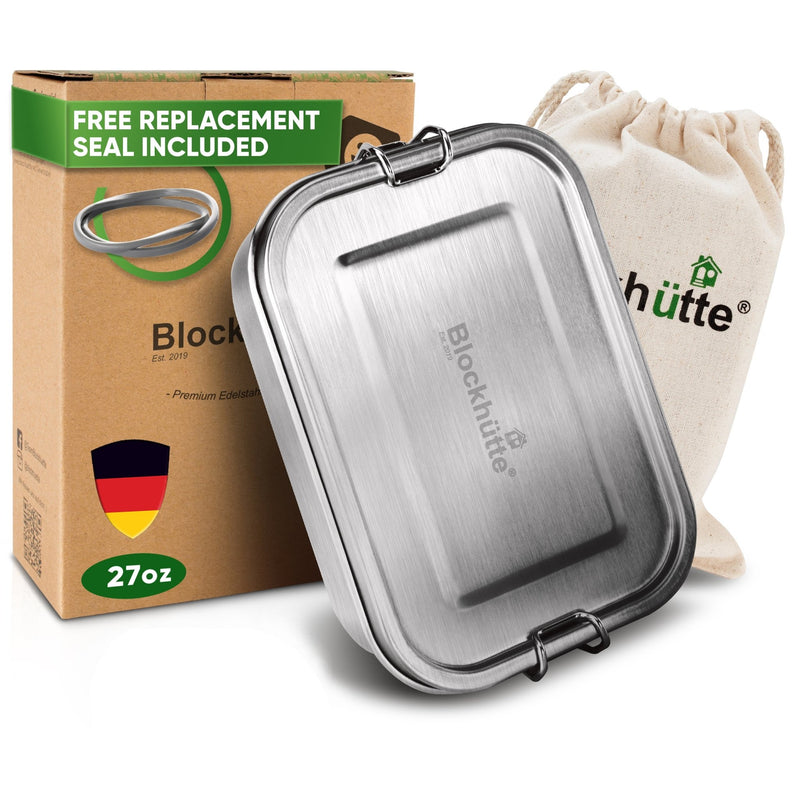
The seal is food-grade silicone. It sits in a groove that runs all the way around the underside of the lid. When the lid comes down, the seal meets the rim of the box.
The two latches on the sides press the lid onto the seal and hold it there. They close with a snap you can hear.
And the box itself is 18/8 stainless steel, with a flat, even rim for the seal to land on. The steel stays flat, so the seal meets the same rim every day.
Put together, the stainless steel lunch box is leak-proof. Sealed on its side, in a backpack, all day. Yogurt, sauce, dressing. It stays in the box.
What does it hold in?
Anything that would otherwise end up in the bag. Yogurt with granola on top. Pasta in tomato sauce. A salad with the dressing already on it. Curry, chili, overnight oats.

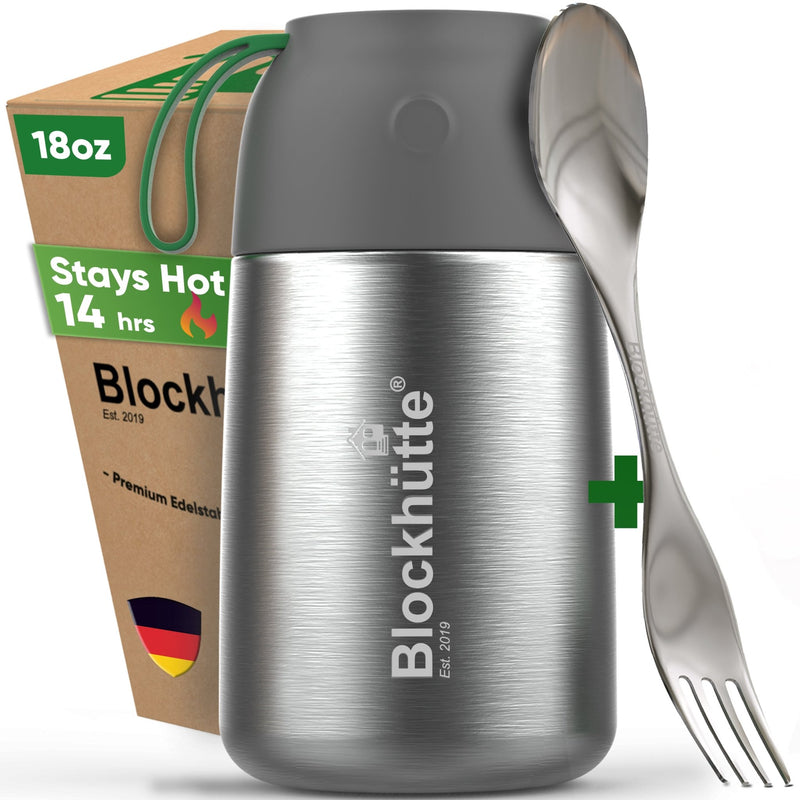
Thick food travels fine on its side, in a backpack, all day. Clear soup is the one thing to carry upright, and it is better off in an insulated food jar anyway. The lunch box is not insulated, so a hot lunch is the jar's job. Its lid is plastic. It has to seal a vacuum and survive a drop, and its seal is replaceable.
Why not a plastic box with a snap lid?
You can, and for a while it works.
The trouble is what the plastic does over a year. The lid warps a little in the dishwasher, and a warped lid does not press evenly.
Some plastic lids have the seal molded in. When that seal goes, the lid goes with it.
And plastic remembers. Tuesday's curry is still there on Thursday, in the smell and in the color.
A steel lid stays flat. The seal in it comes out, dries, and goes back in. When it wears, you replace the seal, not the lid. That is the difference in year three.
The full comparison, microwave and all: Are stainless steel lunch boxes safe?

Stainless Steel Lunch Box
The stainless steel lunch box for adults that survives a real commute. Two removable dividers...
Get Yours
What does the seal need from you?
A little air, once a week.
Box, lid, seal and dividers all go in the dishwasher. The seal can stay in the lid for the wash.
Once a week, take it out, let the seal and the groove dry fully, and press it back in. A dry groove is what keeps the seal seated and the lid tight.
Before you pack the box, two seconds of checking. The seal sits all the way around in its groove, and both latches are shut. That is the whole routine. The long version is in the care guide.
What happens when the seal wears out?
You buy a seal. Not a new box.
Silicone gets stiffer over the years, and one day the lid feels a little looser than it used to. A spare seal is already in the box when it arrives.
After that, the seal set is sold on its own. It comes sized for the 27 oz, 40 oz and 47 oz box.
The steel and the workmanship are covered by a 3-year limited warranty. And if the box turns out not to be the one, you have 60 days to send it back. Unused, and in its original packaging.

So the next time a bag comes home orange, you know where to look. Not at the steel. At the seal, and at whether the lid ever pressed it down. Ours does. Every day, for years. Have a look at the stainless steel lunch box, and take your time. Which size fits your lunch is in best stainless steel lunch boxes for adults.