Shipping over $50




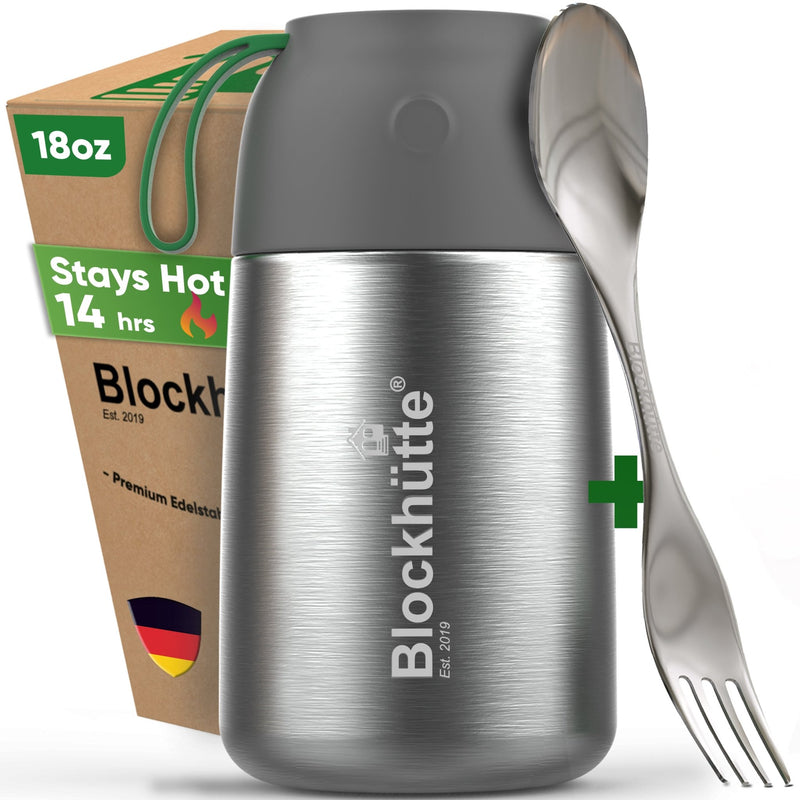
You bought a food jar so lunch would still be hot at noon. Then the small questions show up. Boil it first, or just wash it? What is the little plug in the lid for? And why does the lid sometimes refuse to open?
Here is the short version: rinse it hot, fill it full, keep it closed. And every part goes in the dishwasher.
The long version is below, in the order you will need it.

What do I do before the first use?
Take it apart once. Unscrew the top lid and the main lid, then pull the anti-vacuum plug out of the main lid. Now every part is in front of you.
Put all of them in boiling water for about 5 minutes. That sterilizes them before the first meal goes in. Lift them out carefully, because they are hot, and dry each part well. That is it. Your jar is ready for its first lunch.
No stove handy? A run through the dishwasher does the same job. Every part is dishwasher safe, the plug included.
Is the lid steel too?
No, and it is better to know that now than later. The body your food touches is uncoated 304 stainless steel. The lid contains plastic.
It has to seal tight, hold the plug, and survive being dropped. That is a job plastic does well.
What is the plug in the lid for?
It is 12:15, everyone around you is already eating, and your lid will not budge. That is the vacuum.
Hot food cools down inside a closed jar, and as it cools, the air inside shrinks. The lid gets pulled tight against the body, the same way a jam jar seals itself.
The plug is the way out. Open the top lid, pull the plug, and air flows back in. Now the main lid twists off without a fight. Three moves, and lunch is open.
If the plug ever goes missing, you do not need a new lid. The plug is sold on its own.

Can it go in the dishwasher?
Yes. Every part.
One habit makes it better: rinse the jar under running water first. Big food bits stay out of the dishwasher filter, and the jar comes out fully clean instead of almost clean.
Running the machine for one jar feels like a waste? Wash it by hand. A brush with natural bristles, a drop of dish soap, and lukewarm water reach every corner.
Which soap is up to you. Dishwasher tabs, regular dish soap, or a plant-based one, the jar does not mind.
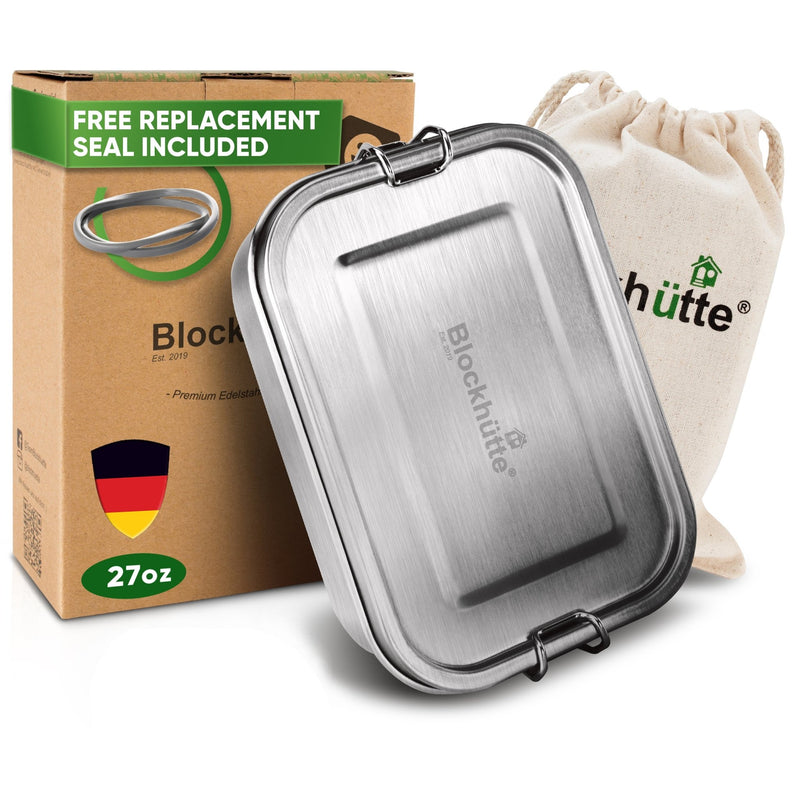
The lunch box takes the same treatment: Is a stainless steel lunch box dishwasher safe?
Brush, seal, plug: all three are sold separately. The brush for the food jar is in the shop on its own, and so is the seal set. When a seal fails, you buy a seal. Not a new jar.


Insulated Food Jar
Simple & Safe: Our proprietary and protected lid concept replaces other providers’ quickly molding lids...
Get YoursHow do I keep lunch hot longer?
The jar holds 14 hours hot and 19 hours cold, with no preheating. Whether your lunch gets there depends on three things you do in the morning.
First, rinse it hot. Boil water in a kettle, pour it into the jar, and close the lid. After about 5 minutes, pour the water out and fill the jar with your food.
The steel starts warm instead of cold, and that is warmth your lunch keeps. Five minutes, and they pass while the food is still on the stove.
Second, fill it full. Less air inside means less to cool down. A half-full jar loses heat faster than a full one, whatever the label says.
Third, keep it closed until you eat. Every peek lets the warm air out. Lid off at noon. Still steaming.
That is the whole routine. Rinse it hot, fill it full, keep it closed, and let the dishwasher do the rest.
If something fails on its own, the three-year limited warranty covers it. If something wears out, you buy the part. The jar stays.
Try the hot rinse tomorrow morning. It costs five minutes and nothing else.
Two stews to try it with: stew recipes for the insulated food jar. The lunch box has a routine of its own, seal and dividers included. How to clean and care for your stainless steel lunch box.